
Summary
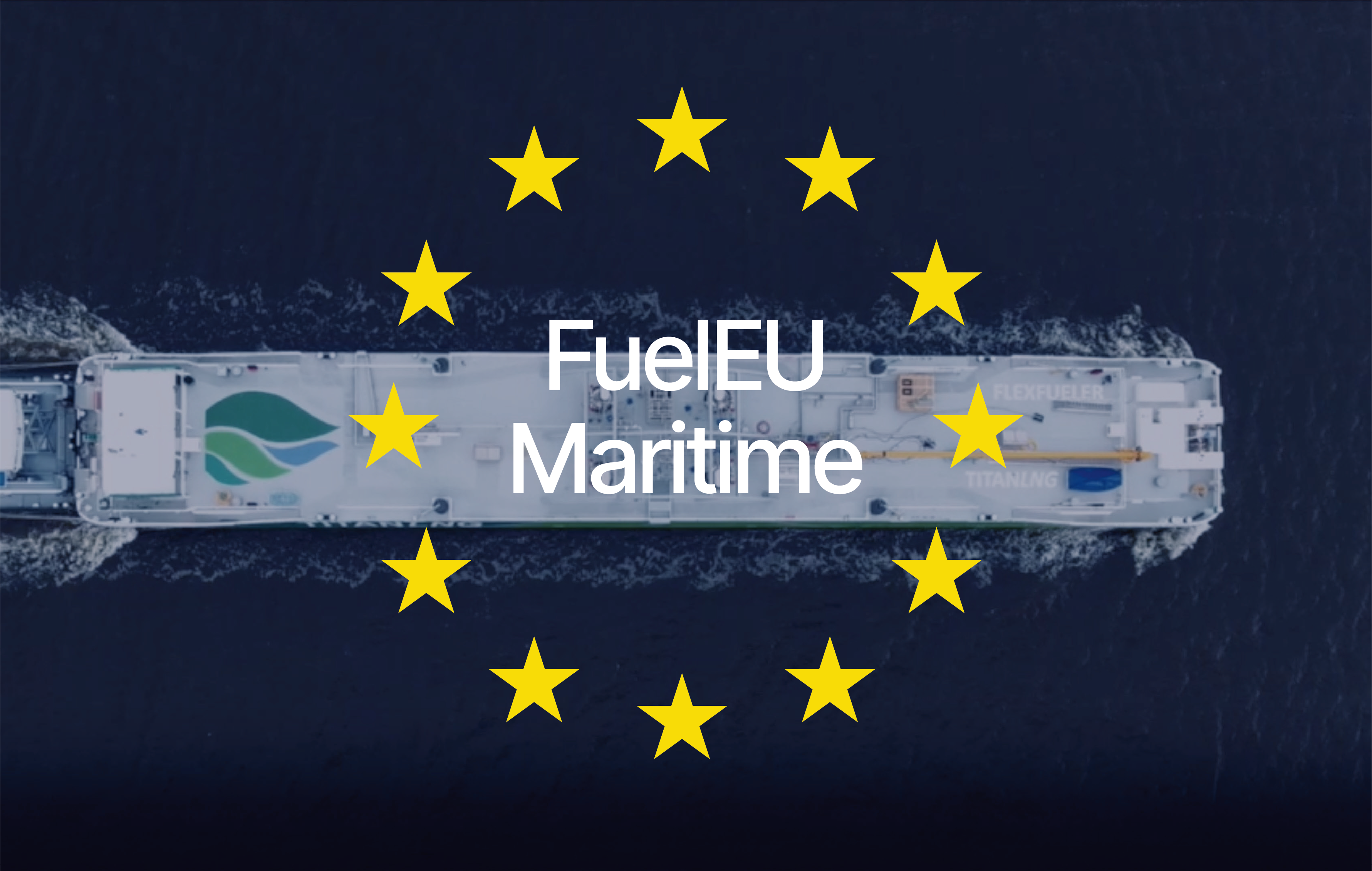
LNG, liquefied biomethane (LBM/bio-LNG) and e-methane, collectively known as the methane decarbonisation pathway, have a major role to play in FuelEU Maritime compliance and overcompliance. Titan, part of Molgas clean fuel bunkering experts have drafted a whitepaper analysing how FuelEU Maritime, particularly its pooling mechanism, have performed so far, also highlighting the impact on LNG and LBM bunkering demand.
The paper will be useful for:
- Shipowners and operators reviewing costs for ships travelling into or operating within the EU.
- Shipowners and operators analysing whether to invest in ‘methane pathway’ ships and fuels.
- Charterers and cargo owners seeking lower-emission ship operations to reduce their scope 3 emissions.
- Port authorities and operators reviewing their LNG, LBM and e-methane supply-side infrastructure.
- Regulators and policymakers looking to iterate and refine EU legislation, especially FuelEU Maritime.
- Regulators and policymakers drafting other regional or global legislation and looking for learnings.
- Maritime industry professionals more broadly who are looking for industry insight, facts and figures.
The Titan team models compliance for an 8,000 TEU containership operating a route spanning Rotterdam, Antwerp, Hamburg and Algeciras using approximately 18,000 metric tons of LNG-equivalent fuel annually, all within the scope of FuelEU Maritime. Three scenarios are shown: a fuel oil baseline, grey LNG, and a 30% LBM blend.
Beyond pooling, the research also analyses the EU default well-to-wake emissions factor for LNG, the need to balance commerciality and sustainability to ensure regulations are complied with, and much more.
Get your free copy
Complete the form below to get your free copy.
